
Parenting my two boys, Samuel (the older one) and Jonathan (the younger whirlwind), has been a wild ride. There have been moments of pure joy, plenty of laughter, and yes, more than a few times when I felt like I was losing my mind. But through it all, I’ve learned one thing: yelling and scolding don’t work. In fact, they just made things worse. Over time, I discovered gentler, more effective ways to guide my boys — and it’s made all the difference.
Here are 7 lessons I’ve learned (often the hard way) that might help you too.
When Samuel was about 4, I realized he didn’t understand what I wanted from him unless I spelled it out. I’d say things like, “Be good!” or “Stop that!” but he’d just look at me like I was speaking another language.
What I Do Now: I keep it simple and specific. For example, instead of saying, “Clean your room,” I say, “Put your toys in the bin and your clothes in the hamper.”
Lesson Learned: Kids need clear instructions. If they don’t know what “good behavior” looks like, how can they do it?
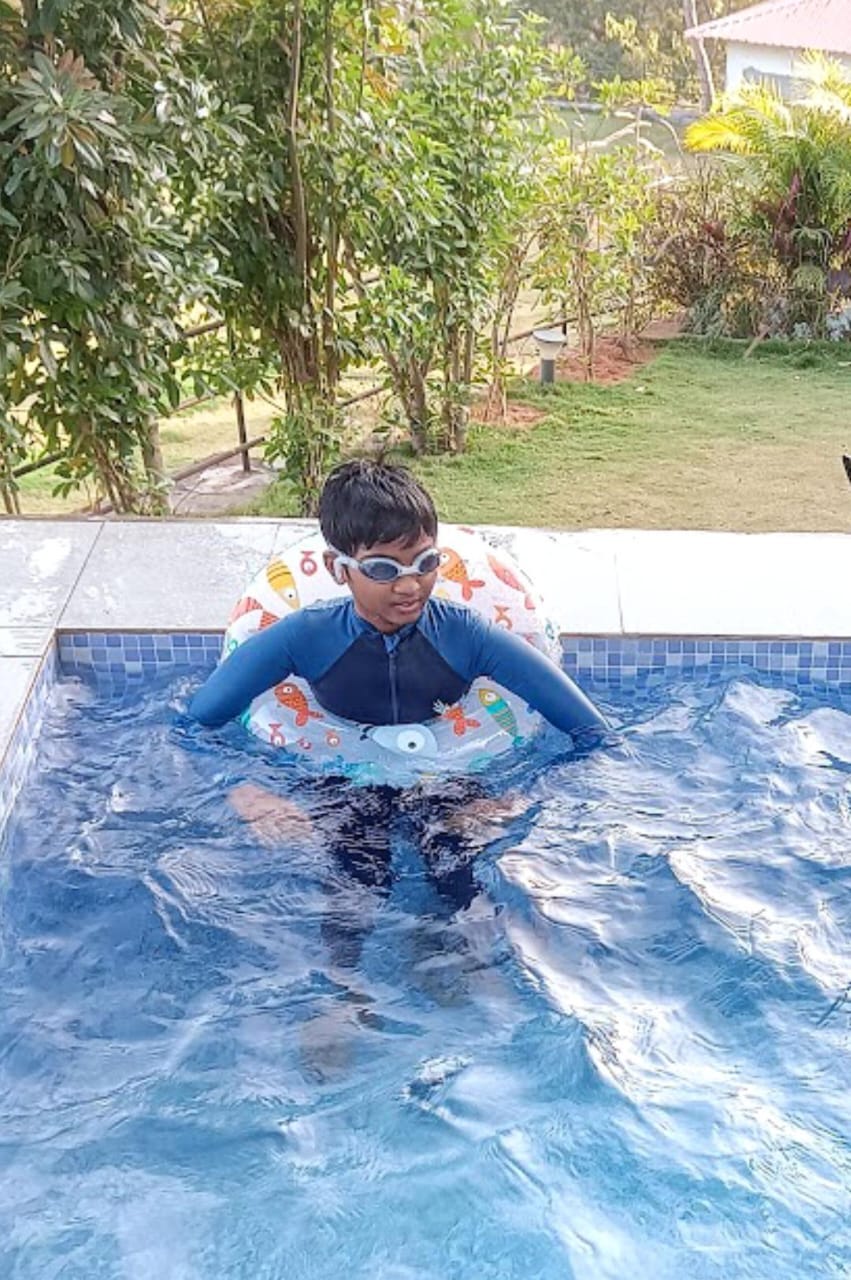
Jonathan used to throw tantrums every time he didn’t get his way. One day, I decided to try something new: I started praising him like crazy when he handled his emotions well.
What I Do Now: If he shares his toys or waits patiently, I make a big deal out of it. “Wow, Jonathan! You waited so calmly. I’m so proud of you!”
Lesson Learned: Positive reinforcement works better than focusing on the bad stuff. Kids want to make you happy — they just need to know how.
Samuel used to fight me on everything — getting dressed, eating breakfast, you name it. Then I started giving him choices, and it was like a magic trick.
What I Do Now: “Do you want to wear the blue shirt or the green one?” or “Should we read one book or two before bed?”
Lesson Learned: Choices give kids a sense of control, which cuts down on power struggles. Just don’t give too many options — it’s overwhelming for everyone.
One day, Samuel refused to wear his jacket to the park. Instead of arguing, I let him go without it. Sure enough, he got cold and asked for it after 10 minutes.
What I Do Now: If Jonathan doesn’t want to eat dinner, I don’t force him. But I also don’t give him snacks later. He’s starting to learn that actions have consequences.
Lesson Learned: Sometimes, the best teacher is life itself. Just make sure the consequence is safe and reasonable.
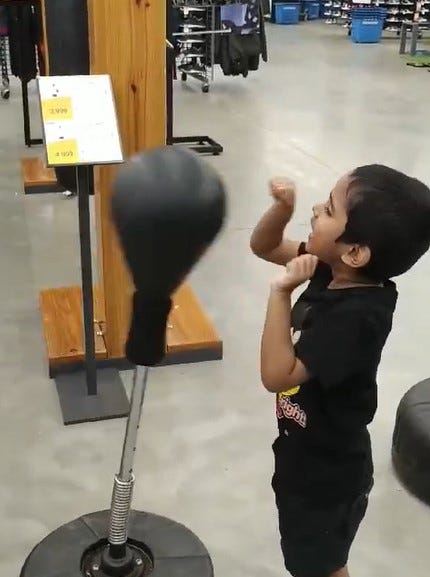
Jonathan, trying punches
Jonathan is my wild child. When he was a toddler, he’d get into everything. Instead of yelling, I started redirecting his energy.
What I Do Now: If he’s about to throw a toy, I’ll say, “Hey, let’s see how high we can stack these blocks!” or “Want to help me stir the pancake batter?”
Lesson Learned: Little kids have short attention spans. Use it to your advantage!

Jonathan, encounter with pigeons
One day, Samuel knocked over Jonathan’s block tower. Instead of scolding him, I asked, “How can we make this right?”
What I Do Now: If one of the boys does something wrong, we talk about how to fix it. Maybe it’s apologizing, helping clean up, or doing something kind to make up for it.
Lesson Learned: Discipline isn’t just about stopping bad behavior — it’s about teaching kids how to do better next time.
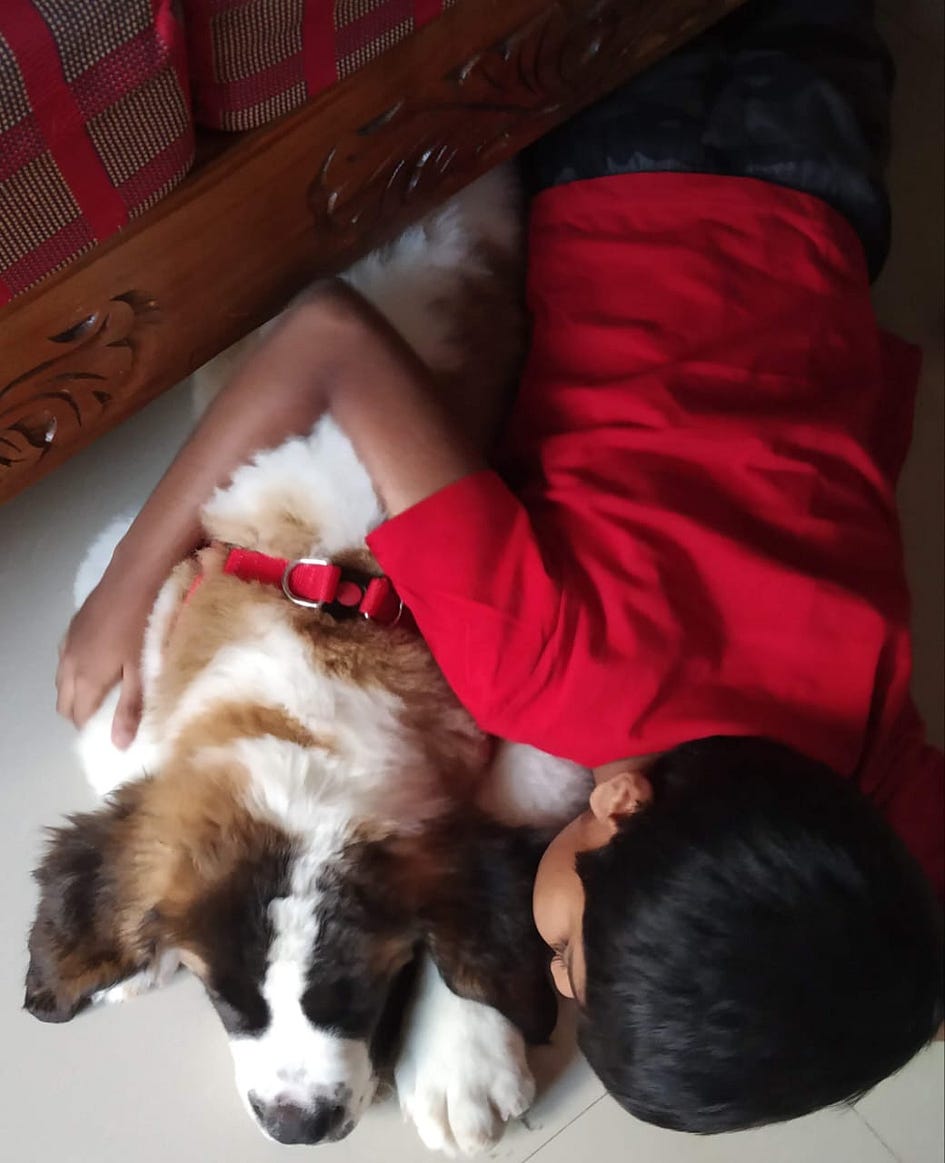
Samuel with Baby
I’ll admit it — I’ve lost my temper more times than I’d like to admit. But one day, I realized my boys were copying my behavior. If I yelled, they yelled. If I stayed calm, they did too.
What I Do Now: When I’m frustrated, I say out loud, “I’m feeling really upset right now, so I’m going to take a few deep breaths.”
Lesson Learned: Kids watch everything we do. If we want them to handle their emotions well, we have to show them how.
Parenting Samuel and Jonathan has taught me that discipline isn’t about control — it’s about connection. When I stopped yelling and started guiding, our relationship changed. My boys started listening more, and I felt less stressed.
It’s not always easy, and I’m definitely not perfect. But every small step toward gentle discipline has made our home a happier, calmer place. If you’re feeling stuck, try one of these strategies. You might be surprised at how much of a difference it makes.
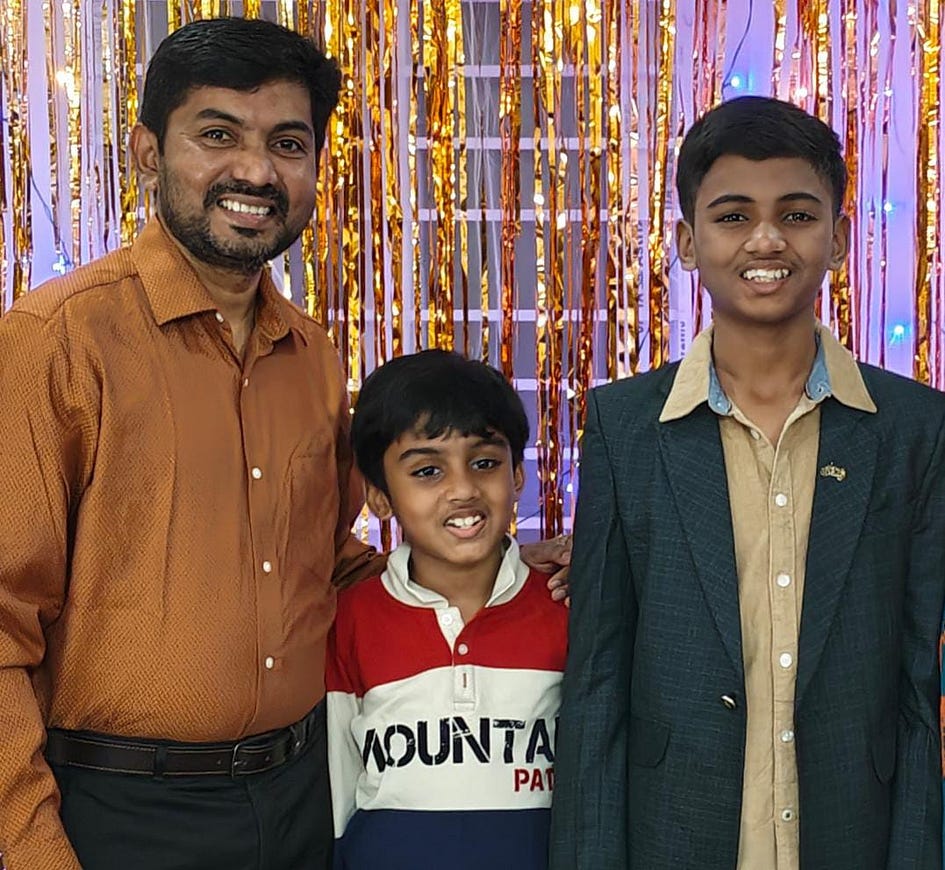
Time Flies — After all, parenting isn’t about being perfect — it’s about being present. And trust me, your kids will notice.
Parenting Samuel and Jonathan has taught me that discipline isn’t about control—it’s about connection. When I stopped yelling and started guiding, our relationship changed. My boys started listening more, and I felt less stressed.
It’s not always easy, and I’m definitely not perfect. But every small step toward gentle discipline has made our home a happier, calmer place. If you’re feeling stuck, try one of these strategies. You might be surprised at how much of a difference it makes.
After all, parenting isn’t about being perfect—it’s about being present. And trust me, your kids will notice.

